
Our Innovation
See Heat Differently
Underground heat is kinetic energy moving through crystallographic fabric—phonons, grain boundaries, and radiogenic heat micro-sources that conventional, surface-scale materials can't couple to.
NanoVault™ Heat Nano-Exchanger
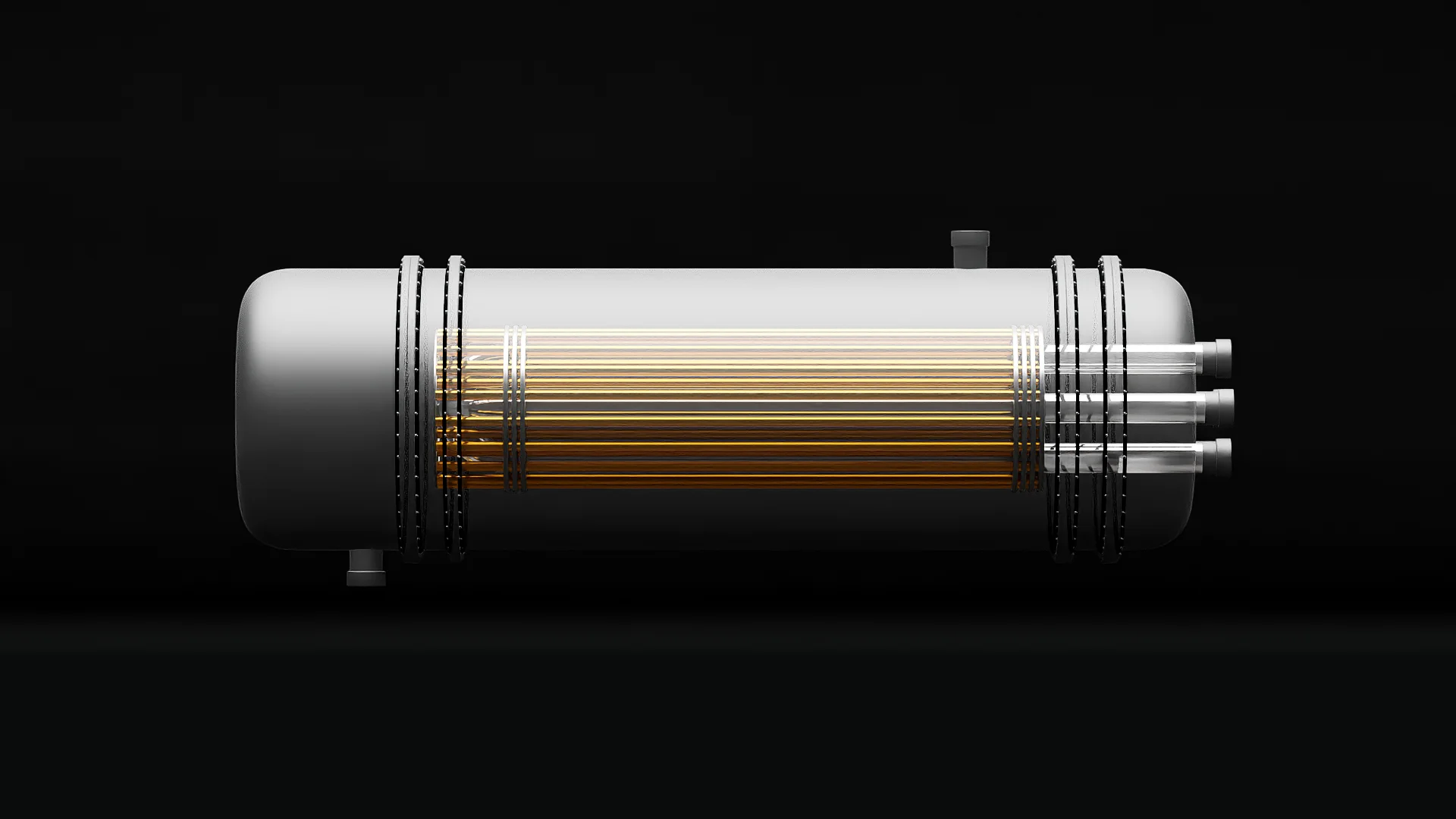
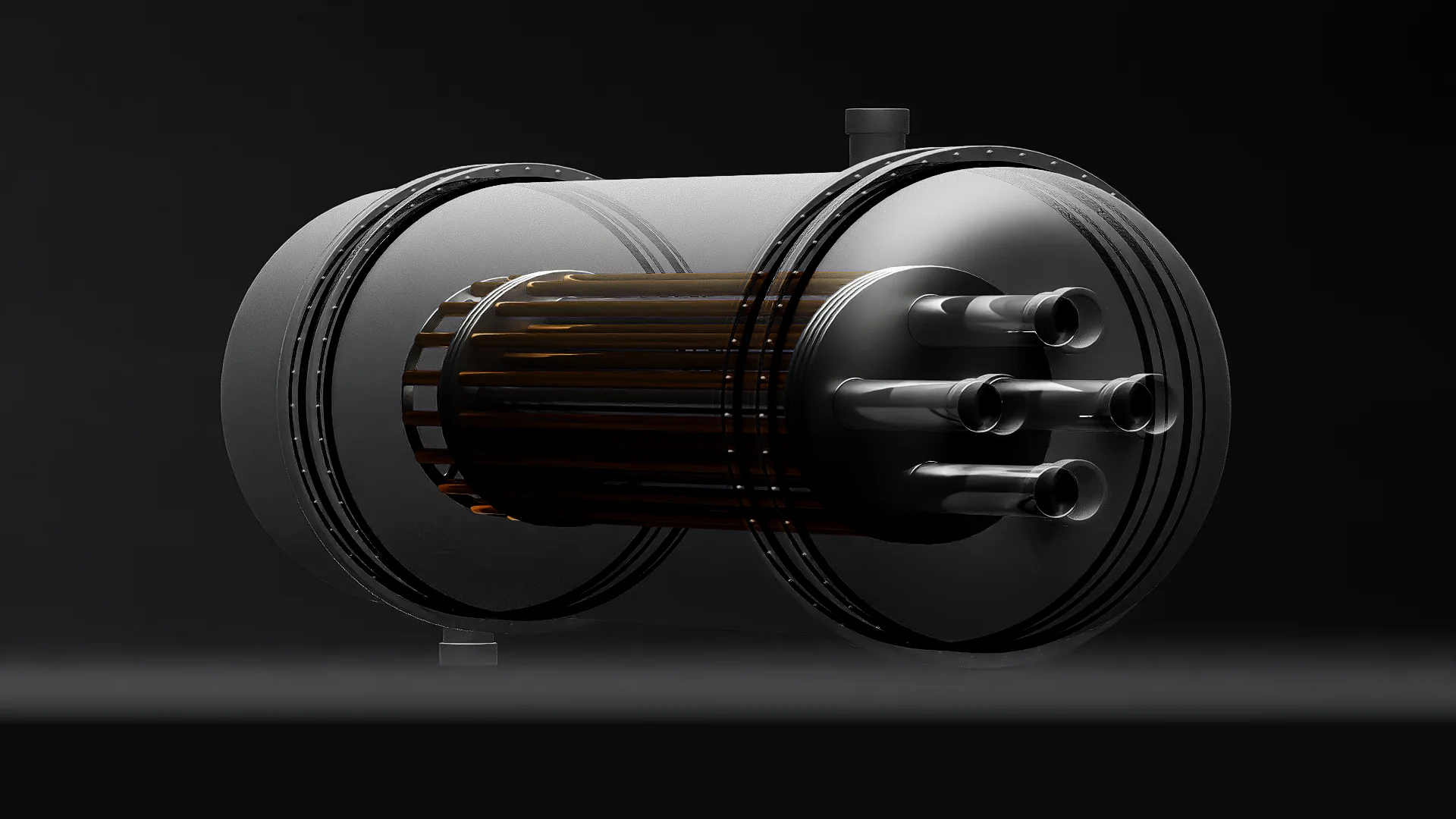
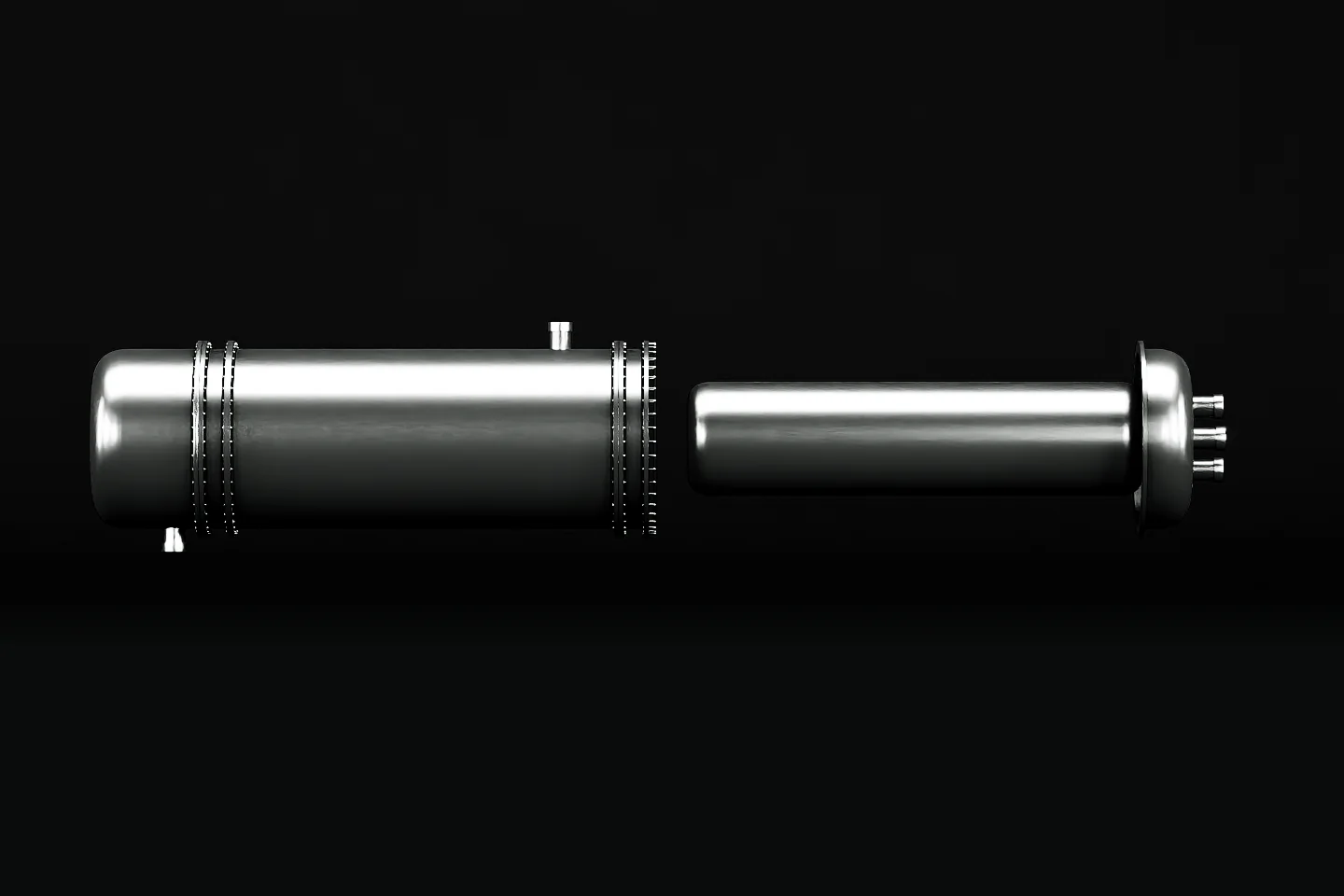
- 11R · Main heat-exchange chamber94% heat retention for 7 days
- 21H · Steam outlet230°C steam at 28 bar
- 31E · Nanorod arrayAlumina-nanocomposite nanorods
- 41C · Crossflow nanofluid ports240°C in → 180°C out
GEIOS can. Our non-extractive dual open-path geocasing (three nanoparticle-lined chambers) couples directly to that lattice energy, while SPARC nitrogen nanofoam safely stimulates pathways—no fracking, no produced brine.
- ~3 kmIRIS-X pre-drill vision
- 50nmSPARC nanofoam
- 96%NanoVault efficiency
- 10Wells per pad
01 —Pre-drill intelligence
IRIS-X Vanguard™
- Pre-drill risk reduction
- Early 3D Heat Mapping
- No heavy drilling
- Digital Twin ready
- AI-Fixed Location
Core Technologies
- 01
Nanobiomarkers + MOF Sensors
Pd-Cu/Ni-MOF arrays and aptamer-MOFs for gas speciation, redox & trace-ion signatures.
- 02
Radiogenic Decay Detection
Detects U-238, U-235, Th-232, and K-40 decay signatures. Maps radiogenic heat zones and optimal radiogenic heat corridors.
- 03
Geochemistry Fusion
Soil-gas + fluid inclusions + isotope ratios (δ¹³C-CH₄, ³He/⁴He) for lithology & permeability proxies.
- 04
AI Fabric Mapping
Multimodal inversion classifies ultramafic/metamorphic units, brittle-ductile transitions, and thermal corridors.
Quick Metrics
- Detection Depth
- ~3,000m
- Grid Coverage
- 100k m²
- Weeks Campaign
- 12-16
- Technology Level
- TRL 7-8
Pre-Drill Advantages
- 01
Early 3D Mapping of Heat Signature
Pre-drill volumetric heat-flux mapping reveals subsurface thermal corridors and radiogenic zones before any drilling investment.
- 02
No Heavy Drilling Required
Shallow monitoring wells (120-150m) with radial arrays eliminate expensive exploratory deep drilling, reducing CAPEX by up to 98%.
- 03
Geochemistry Signature with Temperature
Integrated thermal-geochemical profiling correlates temperature gradients with isotope ratios and mineralogy.
- 04
Digital Twin Before Drilling
AI-powered digital twin models simulate reservoir behavior and predict thermal performance before steel touches ground.
- 05
AI-Fixed Location Precision
Machine learning algorithms pinpoint optimal pad locations with meter-scale accuracy for maximum heat flux.
- 06
Coverage Modes
Vanguard sweep (100,000 m² grids) → Focused transects → Pilot pads.
IRIS-X Value
De-risk pads before steel touches ground. Detect ultramafic/metamorphic corridors, brittle-ductile boundaries, and pathways linked to radiogenic heat with multi-sensor nanochemistry and AI fusion. Faster siting. Fewer dry pads. Higher bankability.
02 —Stimulation
SPARC™ 50nm Nano-Engineered Stimulation
Materials Stack
- NanofoamL1
- CoatingsL2
- GeocasingL3
- Anti-foulingL4

Learn about SPARC Technology →›
SPARC™ Technology Overview
- Thermal Conductivity Enhancement
- 12.7x
- Anisotropy Ratio
- 3.1:1
- Operational Life
- 30+ years
Supracrystalline Phonon-Aligned Reaction Corridor (SPARC) transforms traditional thermal barriers into highly conductive channels through revolutionary structural engineering. By aligning crystallographic planes in olivine and optimizing phonon transport pathways, SPARC achieves unprecedented thermal conductivity enhancement.
- Crystallographic alignment following specific planes in olivine for optimal phonon transport
- Phonon transport optimization with aligned pathways that minimize thermal resistance
- Thermal anisotropy creation with 3.1:1 anisotropy ratio for directional heat flow
- Directional thermal conductivity along SPARC-aligned corridors reaches 30.5 ± 1.2 W/m·K compared to 9.8 ± 0.5 W/m·K perpendicular to alignment
- 63% increased reaction front propagation in aligned domains for sustained performance
SPARC Value: Replace low-flux metal interfaces with engineered nanofoam and phonon-guided transfer. More area, better wettability, damped thermal resistance, and stable performance in silica-heavy systems.
03 —Thermal interface
NanoVault™ Heat Nano-Exchanger
The NanoVault™ heat nano-exchanger represents a breakthrough in geothermal thermal management, combining advanced nanofluid technology with intelligent thermal storage to deliver industry-leading heat retention and temperature stability for sustained, high-efficiency energy extraction.
- Industry-leading heat transfer performance
- Thermal Efficiency
- 96%
- Minimal thermal losses during operation
- Heat Retention
- 94%
- vs. ±15°C in conventional systems
- Temperature Stability
- ±1°C
A nanorod core that stores heat, then releases it as steam
The NanoVault is a dual-chamber pressurized vessel. At its heart sits a lattice of NanoVault nanorods: sintered rods of an alumina (Al₂O₃) matrix engineered with silicon carbide, boron nitride, copper oxide and magnesium oxide nanoparticles.
Geothermal nanofluid charges the rods with heat. A sealed secondary chamber draws that heat back out as steam whenever it is needed, through a non-contact thermal converter, so the water never touches the rods.
- 011C
Charge
Crossflow piping
Geothermal nanofluid from the wells enters at 240°C and crossflows through the nanorod lattice.
- 021E
Capture
Nanorods
Alumina-nanocomposite nanorods absorb the heat, reaching 80% of capacity within 15–20 minutes. The nanofluid leaves at 180°C.
- 031R
Store
Main heat-exchange chamber
Heat is held with 94% retention for up to 7 days, buffering swings in geothermal well output.
- 041F → 1H
Release
Non-contact thermal converter
In the vacuum-insulated secondary chamber, 180°C feedwater becomes 230°C steam at 28 bar, on demand, without ever touching the rods.
Nanorod composition
- Al₂O₃
- Alumina matrix: the hierarchically structured base that holds the heat
- SiC
- Silicon carbide: Primary conductivity through continuous phonon pathways
- BN
- Boron nitride: Thermal stability and heat retention
- CuO
- Copper oxide: Heat capacity with gradual, controlled release
- MgO
- Magnesium oxide: Structural integrity across thermal cycles
Nanorod performance
- Composite thermal conductivity
- 140–160 W/m·K
- Conductivity gain vs. standard alumina
- Up to 336%
- With <1% conductivity loss
- >8,000 cycles
- Nanorod diameter × length
- 2–3 cm × 1–1.5 m
- Graphene surface coating
- 5–10 nm
- Operating temperature
- 240°C
Advanced Nanofluid Integration
NanoVault™ leverages GPIM (Geothermal Phonon Interface Material) nanofluid technology to achieve rapid, efficient heat transfer from subsurface formations to surface power generation systems.
- Enhanced Phonon Transport
- Optimized nanoparticle dispersion maximizes thermal conductivity and heat transfer rates
- Anti-Fouling Protection
- Prevents scale formation and corrosion in deep well structures for sustained performance
- Rapid Thermal Response
- 26°C/min ramp-up rate enables grid-responsive operation and demand-following capabilities
- Closed-Loop Operation
- Zero freshwater consumption with complete nanofluid recovery and reuse
Intelligent Thermal Storage
The NanoVault™ system incorporates advanced thermal storage technology that maintains precise temperature control while minimizing energy losses, ensuring consistent power output and operational efficiency.
- Precision Temperature Control
- ±1°C stability vs. ±15°C fluctuations in conventional systems
- Thermal Buffer Capacity
- Smooths fluctuations in subsurface heat flux for stable power generation
- Load-Following Capability
- Enables rapid response to grid demand changes without efficiency penalties
- Multi-Product Integration
- Supports simultaneous electricity generation, district cooling, and industrial thermal applications
Integration with GEIOS EQG Platform
The NanoVault™ heat nano-exchanger serves as the critical thermal interface between the subsurface SPARC™ system and surface power generation infrastructure. By combining advanced nanofluid technology with intelligent thermal storage, NanoVault™ enables the GEIOS EQG platform to achieve unprecedented efficiency and operational flexibility.
Working in concert with the SPARC™ phonon-aligned heat transfer system and the AI-powered GMS (GEIOS Management System), NanoVault™ continuously optimizes thermal extraction and distribution in real-time. This integrated approach ensures maximum energy capture from radiogenic heat sources while maintaining the precise temperature control required for efficient power generation and co-product outputs.
Subsurface Integration
- Interfaces with SPARC™ nanofoam for enhanced phonon transport
- Optimizes heat extraction from dual-depth well configuration
- Maintains stable flow through multi-thread pad architecture
Surface Integration
- Delivers consistent thermal input to ORC/steam turbines
- Enables cascading thermal utilization for cooling systems
- Supports co-product generation
04 —Pad design
Multi-Thread Pad Architecture
- 0110-well configuration with centralized surface pad
- 02Dual-mode operation for injection and heat capture
- 03Permanent geocasing with zonal isolation
- 04Sequenced duty cycles for optimal pressure management
10-Well Starburst Configuration
Hover or focus a well to read its mode
05 —Multi-product
Applications & Co-Products
06 —Operations
Compliance & Safety
Closed-loop operation with no produced brines, ensuring zero environmental discharge
Low acoustic footprint for minimal community impact and noise pollution
Advanced chemistry management preventing scale, corrosion, and operational downtime
Lifecycle carbon math demonstrating carbon-negative operations across all business models
Deploy EQG
Ready to Transform Your Energy Infrastructure?
Partner with GEIOS to deploy next-generation geothermal technology.